
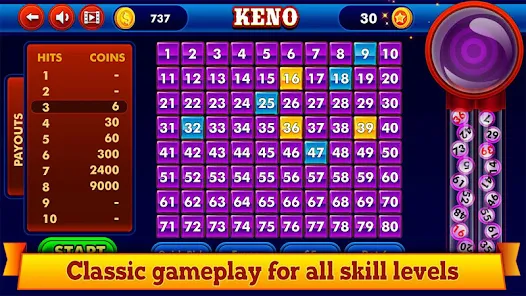
Comprehensive comparison between blockchain and traditional keno reveals fundamental operational differences and performance trade-offs. Detailed analysis examines multiple dimensions beyond surface-level features. https://crypto.games/keno/ethereum exemplify blockchain implementations. Exploring the complete comparative landscape helps players make informed platform choices.
Operational transparency comparison
Traditional keno operates as a black box system where players trust operators without verification capabilities. Physical ball machines or proprietary random number generators produce outcomes players cannot independently audit. Financial operations remain opaque with limited visibility into actual prize pool management. Ethereum keno provides complete transparency through public blockchain records showing all transactions. Smart contract source code reveals exact draw logic and payout calculations. Players verify individual outcomes and audit statistical distributions across thousands of games. The transparency gap represents a fundamental philosophical difference between trust-based and verification-based gambling.
Transaction speed analysis
Casino keno conducts scheduled draws every few minutes with mandatory waiting between games. Lottery keno might draw only once daily, requiring extreme patience between wagers. Ethereum keno resolves instantly after blockchain transaction confirmation, eliminating artificial delays. Rapid continuous play appeals to action-oriented gamblers wanting constant engagement. However, network congestion occasionally slows confirmations, creating variable processing times. Speed advantages generally favour blockchain implementations, though consistency depends on network conditions.
Cost structure examination
Traditional keno charges straightforward ticket prices like two or five dollars per game without additional fees:
- Predictable costs – Players know exact expenses before purchasing tickets without surprise charges
- No transaction fees – Casino or lottery keno includes all costs in ticket prices without separate processing fees
- Currency stability – Fiat currency tickets maintain fixed dollar values throughout play sessions
- Hidden overhead – Prize pools reflect undisclosed operational costs, reducing actual player returns
Ethereum keno adds variable blockchain transaction fees beyond base wager amounts. Gas costs fluctuate dramatically based on network congestion, sometimes exceeding the best quantities. However, lower operational overhead enables higher RTP percentages. Total cost comparison depends on bet sizes and network conditions.
Accessibility and barriers
Physical casinos require geographic proximity and legal access within operating jurisdictions. Online platforms impose banking restrictions limiting participation by location. Identity verification procedures create privacy concerns and exclude anonymous players. Ethereum keno operates globally on public blockchains accessible worldwide without geographic discrimination. Pseudonymous participation protects privacy through wallet addresses. However, cryptocurrency knowledge requirements create technical barriers. Traditional formats offer simpler access while blockchain versions provide universal geographic availability.
Payout reliability comparison
Casino keno pays immediately upon presenting winning tickets at cashier windows. Online platforms process withdrawals through established banking systems with regulatory oversight. Lottery keno pays verified winners through official claim procedures. Ethereum keno executes automated payouts through smart contracts without human intervention. Instant settlement provides the fastest access, though smart contract bugs could lock funds. Traditional systems offer regulated reliability, while blockchain includes speed. Neither approach guarantees absolute safety, though both generally function reliably.
Regulatory oversight differences
Traditional keno operates under strict gambling regulations, providing consumer protections and dispute resolution. Licensed operators face audits to ensure fair play and proper fund management. Regulatory frameworks protect players but limit innovation and increase operational costs. Ethereum keno often operates in legal grey areas without a clear regulatory status. Lack of oversight enables experimentation but removes consumer protections. Players assume all risks, including platform failures or operator misconduct. Regulatory comparison involves trading consumer protection for operational flexibility.
Detailed Ethereum keno comparison reveals fundamental differences in transparency, speed, costs, accessibility, payout reliability, and regulatory oversight compared to traditional formats. Neither approach proves universally superior across all dimensions. Blockchain implementations excel in transparency and speed, while conventional formats offer regulatory protection and simpler access. Player priorities regarding verification versus convenience determine optimal platform choice. Understanding the complete comparative landscape enables informed decision-making, matching personal preferences.


