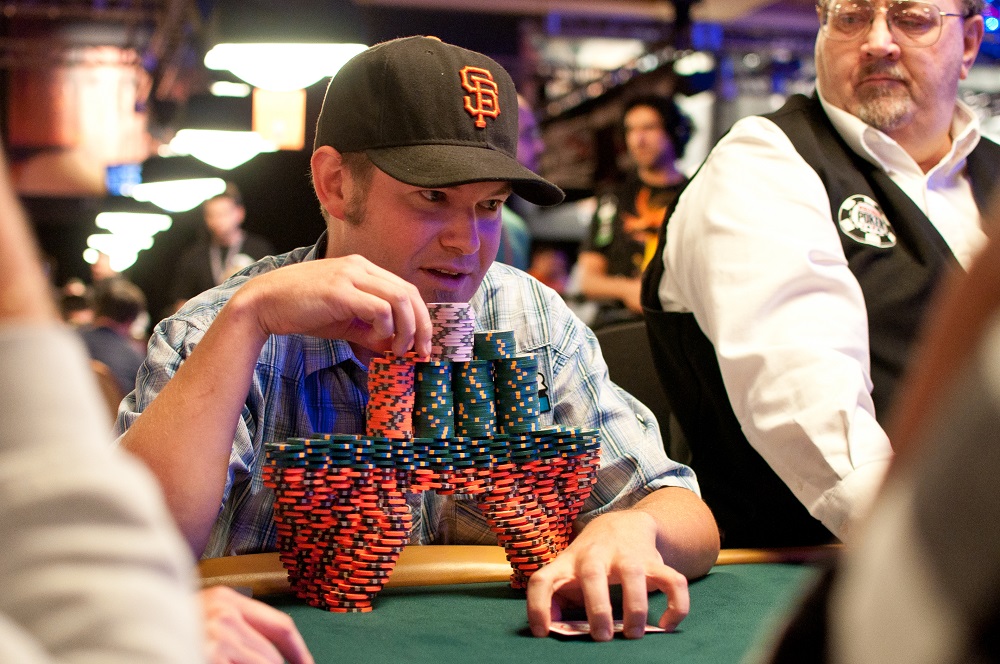
Poker stands apart from most card games because every decision influences future outcomes. While cards are dealt randomly, how players respond to uncertainty determines success. Strategy in poker is about maximizing gains during favorable situations and minimizing losses when conditions are unfavorable.
Unlike luck-based games, poker rewards players who consistently make correct decisions over time.
The Importance of Decision-Making in Poker
Every hand presents multiple choices. Folding, calling, or raising each carries long-term consequences.
Key decision factors include:
- Strength of your hand
- Position at the table
- Opponent tendencies
- Size of the pot versus the bet
Strong players focus on expected value, not short-term results.
Understanding Betting as a Weapon
Betting is the primary tool used to control the game.
Value Betting
This occurs when you believe your hand is stronger than your opponent’s.
- Encourages weaker hands to call
- Builds profit steadily
Bluff Betting
Bluffing applies pressure.
- Forces folds from stronger hands
- Most effective when board texture supports the story
Defensive Betting
Used to limit losses.
- Prevents opponents from betting larger amounts
- Often applied with medium-strength hands
Balanced betting keeps opponents guessing and prevents predictability.
Player Types and How to Exploit Them
Recognizing playing styles gives a strategic advantage.
Tight Players
- Play fewer hands
- Often hold strong cards
Strategy: Bluff sparingly, fold more often when pressured
Loose Players
- Enter many pots
- Play weaker hands
Strategy: Value bet aggressively
Aggressive Players
- Bet and raise frequently
Strategy: Trap with strong hands
Passive Players
- Call often, rarely raise
Strategy: Bet confidently for value
Adapting to opponents is a hallmark of advanced poker skill.
Table Position and Its Strategic Value
Position refers to where you act during betting rounds.
Advantages of late position include:
- More information before acting
- Increased bluffing opportunities
- Better pot control
Early position demands discipline, as acting without information increases risk.
Reading the Table Environment
Poker is not just about individuals—it’s about dynamics.
Elements to observe:
- Stack sizes
- Table aggression levels
- Recent hands and emotional shifts
Understanding momentum allows players to exploit favorable moments.
Online Poker Strategy Adjustments
Online environments require refined technical play.
Key considerations:
- Faster decision cycles
- Less emotional information
- Greater reliance on patterns and bet sizing
Players often focus on volume and consistency rather than dramatic single-hand outcomes.
Live Poker Strategic Differences
Live poker emphasizes human interaction.
Important factors include:
- Physical behavior and timing
- Conversation patterns
- Comfort level under pressure
Live games reward patience and observation more than speed.
Long-Term Thinking in Poker
Poker success is measured over thousands of hands, not one session.
Strong players:
- Accept variance
- Track performance honestly
- Continuously refine strategy
Consistency always outperforms impulsive play.
Ethical and Responsible Poker Play
Maintaining control is essential.
Healthy poker habits include:
- Playing within financial limits
- Avoiding emotional decisions
- Viewing poker as skill development, not quick profit
Responsible play ensures longevity and enjoyment.
Frequently Asked Questions (FAQ)
Why is strategy more important than cards in poker?
Because decisions repeat over time, while cards do not.
Can beginners apply advanced poker strategies?
Yes, simplified versions of advanced concepts improve results early.
Is aggression always good in poker?
No, aggression must be selective and situational.
How do professionals stay consistent?
Through bankroll discipline, emotional control, and study.
Does table position really matter that much?
Yes, it significantly affects profitability and decision quality.
Are online and live poker strategies interchangeable?
Core principles remain the same, but execution differs.
How long does it take to develop strong poker strategy?
Foundations form quickly, but mastery takes continuous practice.