
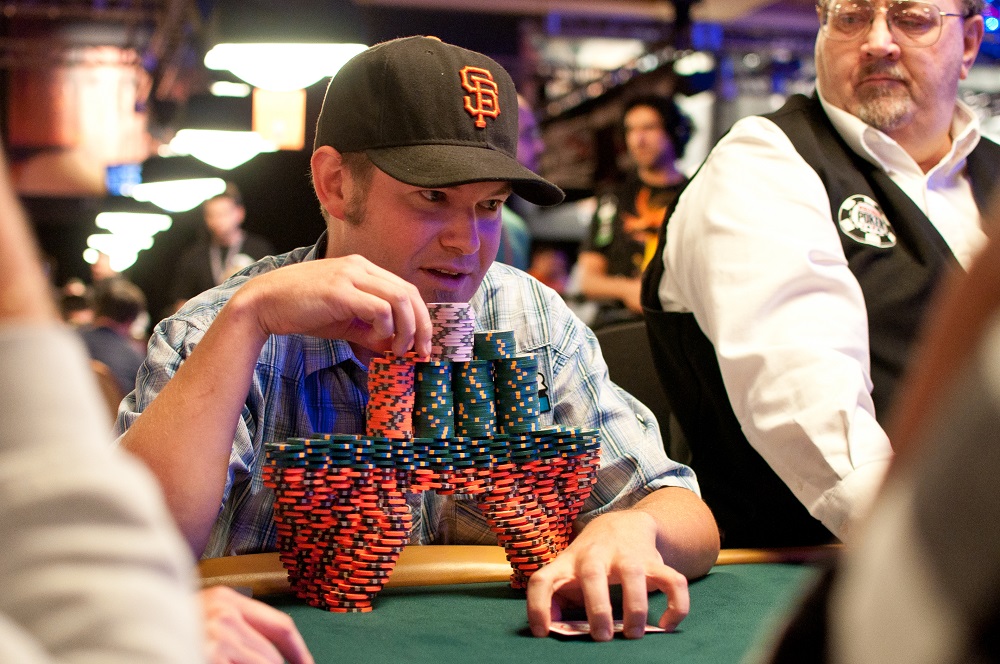
Introduction to Poker
Poker is a globally recognized card game that blends probability, psychology, and strategic decision-making. Unlike games of pure chance, poker rewards long-term skill, discipline, and the ability to read opponents. From casual home games to high-stakes international tournaments, poker continues to evolve while maintaining its classic appeal.
The Core Objective of Poker
At its heart, poker revolves around a simple goal: win chips or money by forming the best hand or convincing others to fold. Success depends not only on the cards you receive but also on how you play them.
Key elements include:
- Betting strategically
- Managing risk
- Understanding opponents’ behavior
- Making mathematically sound decisions
Popular Poker Variants
Poker is not a single game but a family of related formats, each with unique rules and strategies.
Texas Hold’em
Texas Hold’em is the most widely played variant.
- Each player receives two private cards
- Five community cards are shared
- The best five-card hand wins
Omaha
Omaha introduces higher action and complexity.
- Four private cards are dealt
- Players must use exactly two private cards
- Often results in stronger hands
Seven-Card Stud
Once dominant before Hold’em’s rise.
- No community cards
- Players receive a mix of face-up and face-down cards
- Strong memory and observation skills are essential
Draw Poker
A classic format often played casually.
- Players can discard and replace cards
- Five-Card Draw is the most common version
Understanding Poker Hand Rankings
Knowing hand rankings is essential for effective decision-making.
From strongest to weakest:
- Royal Flush
- Straight Flush
- Four of a Kind
- Full House
- Flush
- Straight
- Three of a Kind
- Two Pair
- One Pair
- High Card
Mastery of hand strength helps players avoid costly mistakes and recognize profitable opportunities.
Essential Poker Strategies
Winning poker consistently requires more than luck.
Position Awareness
Your seat at the table matters.
- Acting later provides more information
- Early positions require tighter play
Bankroll Management
Protecting your funds is critical.
- Set limits for each session
- Avoid risking more than you can afford
Bluffing with Purpose
Bluffing is powerful when used selectively.
- Effective against observant opponents
- Most successful in late position
Reading Opponents
Strong players notice patterns.
- Betting behavior
- Timing tells
- Emotional reactions
The Role of Psychology in Poker
Poker is often described as a mental battlefield. Emotional control separates amateurs from professionals.
Important psychological traits include:
- Patience during long stretches of poor cards
- Discipline to avoid chasing losses
- Confidence without overconfidence
Staying calm under pressure allows better decision-making over time.
Online vs Live Poker
Both formats offer distinct experiences.
Online Poker
- Faster gameplay
- Access to low-stakes tables
- Data-driven strategies are common
Live Poker
- Slower pace
- Physical tells matter
- Social interaction plays a bigger role
Many players use online games to sharpen skills before transitioning to live environments.
Responsible Poker Play
Poker should remain a form of entertainment, not financial stress.
Best practices include:
- Setting time and spending limits
- Avoiding play while emotionally compromised
- Viewing losses as part of the learning process
A healthy mindset ensures long-term enjoyment and sustainability.
The Evolution of Poker
Poker’s popularity surged with televised tournaments and online platforms. Strategic content, training tools, and analytics have transformed the game into a modern competitive pursuit, attracting players from diverse backgrounds worldwide.
Frequently Asked Questions (FAQ)
Is poker more about skill or luck?
Poker involves short-term luck, but long-term results strongly favor skillful players.
How long does it take to become good at poker?
Basic competence can develop in weeks, while advanced mastery often takes years of study and experience.
Can beginners start with real money games?
Yes, but starting at low stakes is recommended to reduce risk while learning.
What is the best poker variant for beginners?
Texas Hold’em is widely considered the most beginner-friendly due to its clear rules and abundance of learning resources.
Do professional poker players rely on math?
Yes, probability, odds calculation, and expected value are central to professional-level play.
Is online poker fair?
Reputable platforms use certified random number generators to ensure fair card distribution.
Can poker be played as a career?
Some players do pursue poker professionally, but it requires exceptional discipline, financial management, and emotional resilience.


